
Echocardiograms and stress testing.
Echocardiogram and stress testing services for cardiac assessment. Referred by your GP or by an Excelsia cardiologist, and arranged through SMSG or with a partner provider depending on the specific test.
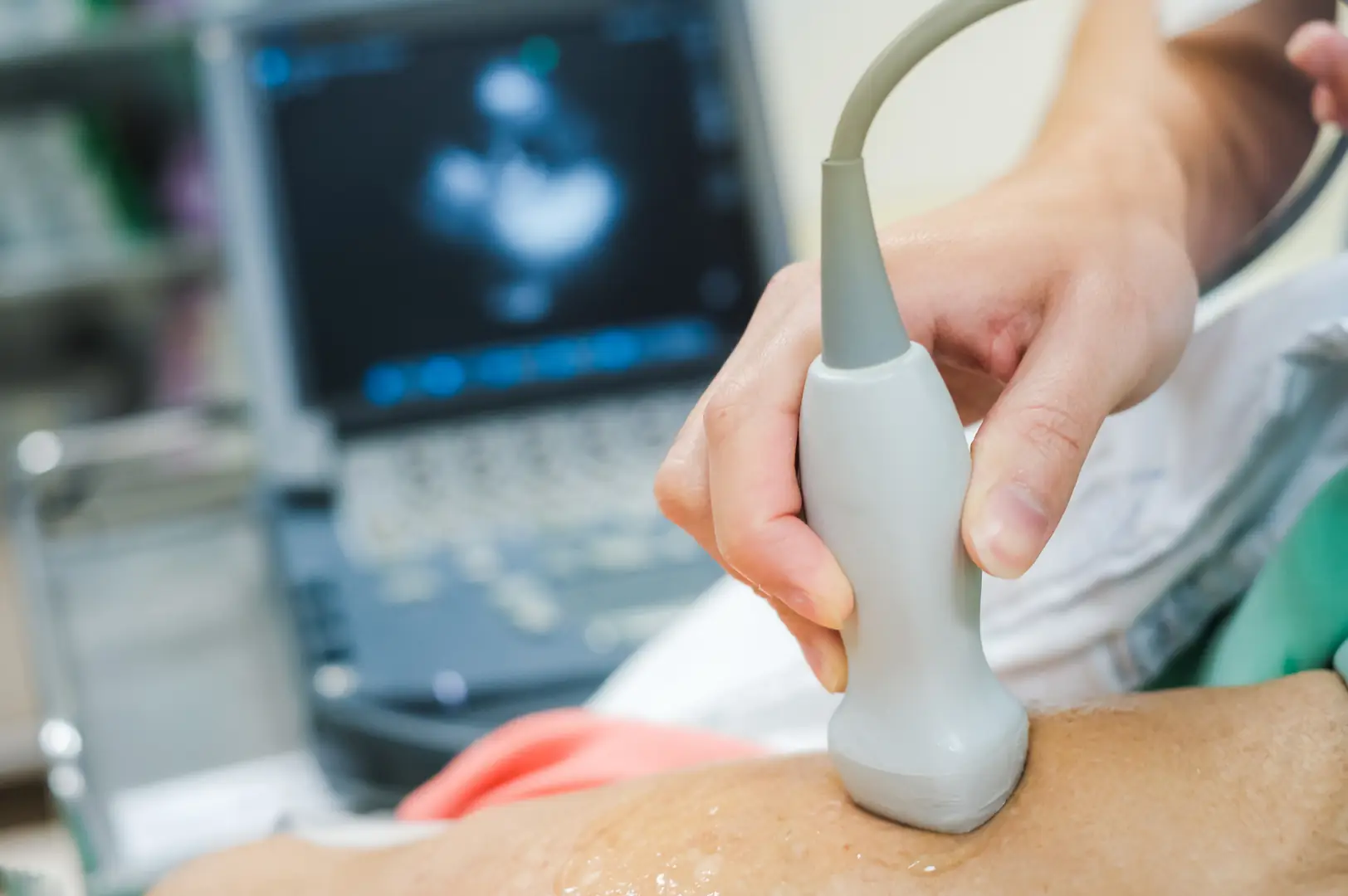
Referral, testing, report.
Cardiac diagnostic tests provide the objective information cardiologists and GPs use to assess heart function, investigate symptoms, and monitor known conditions. The most common tests are echocardiograms (ultrasound of the heart) and stress tests (assessment of the heart under exertion).
At SMSG, these tests are typically arranged after a consultation with your GP or with the cardiologist at Excelsia. Most cardiac testing services including ECHOs and stress tests are performed onsite at the Earlwood location where it is accredited and supervised by the in-house cardiologist.
For general ECGs (electrocardiograms), see Treatment Room & Procedures. Standard ECGs are done on-site during a treatment room appointment.
Function at rest, function under load.
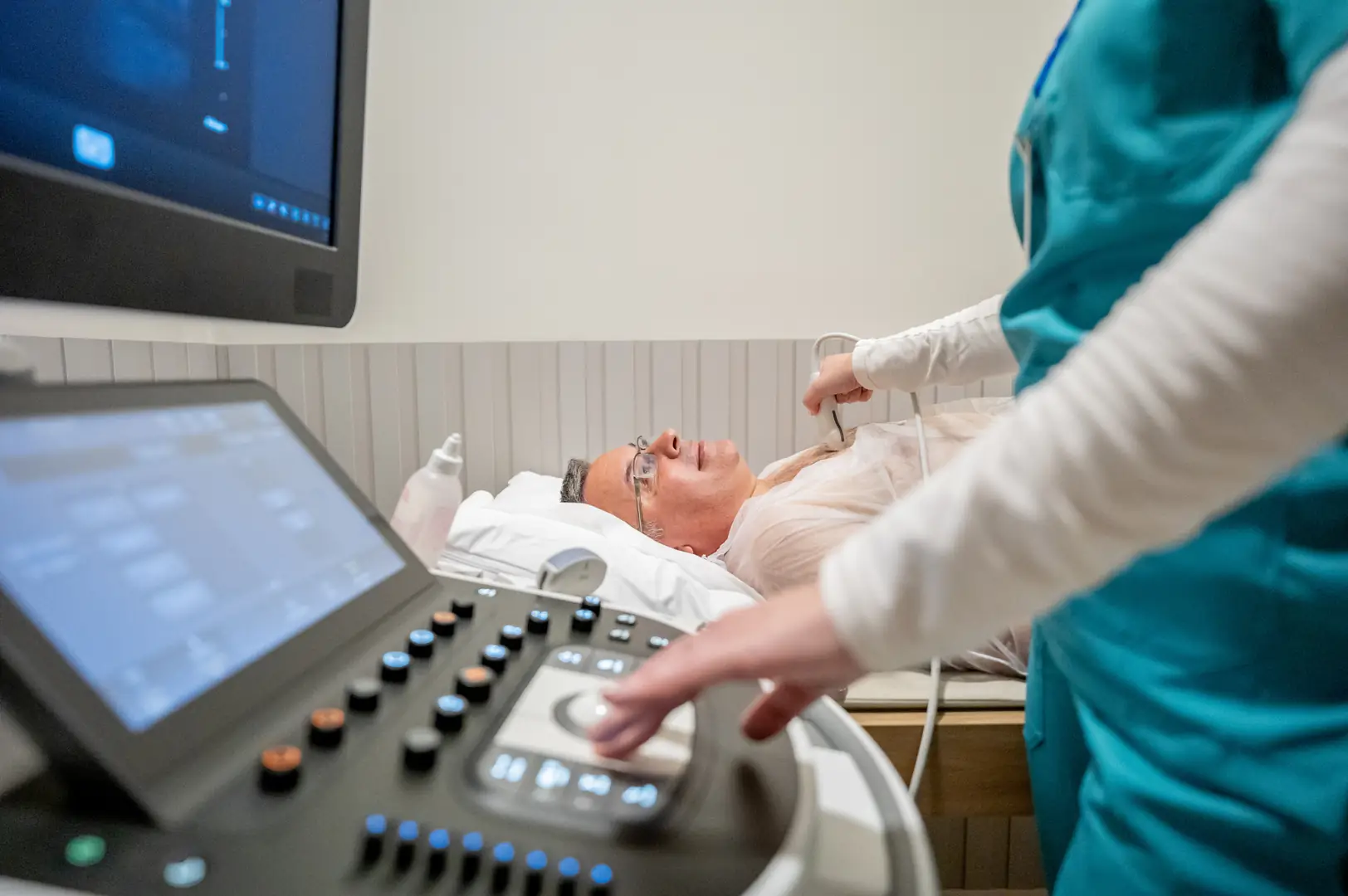
Reasons for testing.
Common reasons include chest pain or discomfort, palpitations or awareness of the heart beating irregularly, and shortness of breath, particularly with exertion. Assessment of a murmur heard during a physical examination, or pre-operative assessment in patients with cardiovascular risk, are other frequent indications.
Ongoing monitoring of known conditions (heart failure, valve disease, cardiomyopathy), family history requiring assessment, follow-up after a cardiac event, and evaluation of blood pressure that has affected heart structure are also common. Your GP or cardiologist will discuss which specific tests are appropriate for your situation.
For irregular rhythms or intermittent symptoms, a Holter monitor may be arranged.
Cardiology sits at Earlwood.
Confirmed at booking.
Cardiac diagnostic tests are typically privately billed with a Medicare rebate applying for eligible tests. A GP or specialist referral is required for the Medicare rebate to apply.
Fees vary by test type. Reception confirms specific fee arrangements and expected out-of-pocket cost when the test is arranged.
Common questions.
Do I need a referral?
Yes. Cardiac diagnostic tests require a referral from a GP or specialist for the Medicare rebate to apply.
Is an echocardiogram painful?
No. An echocardiogram is a non-invasive ultrasound test. You feel the pressure of the probe on your chest and the gel used to improve image quality, but no pain.
How do I prepare for a stress test?
Wear comfortable clothing and walking shoes. Avoid caffeine for 24 hours before the test. Some medications may need to be paused; your doctor will let you know if this applies to you.
Can I drive home after an echocardiogram or stress test?
Yes, in most cases. If you're having a stress test with medication rather than exercise (rare in general practice), specific advice will be given.
How long do results take?
Reports are typically available within a few days. Discuss results with the ordering doctor.
What about an ECG?
Standard ECGs (single-time recording of heart electrical activity) are done in the treatment room, not through this pathway. See Treatment Room & Procedures.
Are stress tests risky?
Stress tests are generally safe. They're conducted with close monitoring and appropriate safety precautions. Your doctor will discuss any specific considerations for your situation.