
Treatment room and procedures.
The treatment room is where a lot of practical care happens. Comprehensive range of procedures are provided within the practice, including iron infusions, wound management, ECG, spirometry, ear syringing, various skin procedures including biopsies, lesion removal and cryotherapy, as well as women's health procedures including IUD and hormonal implant insertion/removal. On-site, mostly in a routine appointment, coordinated with your GP.
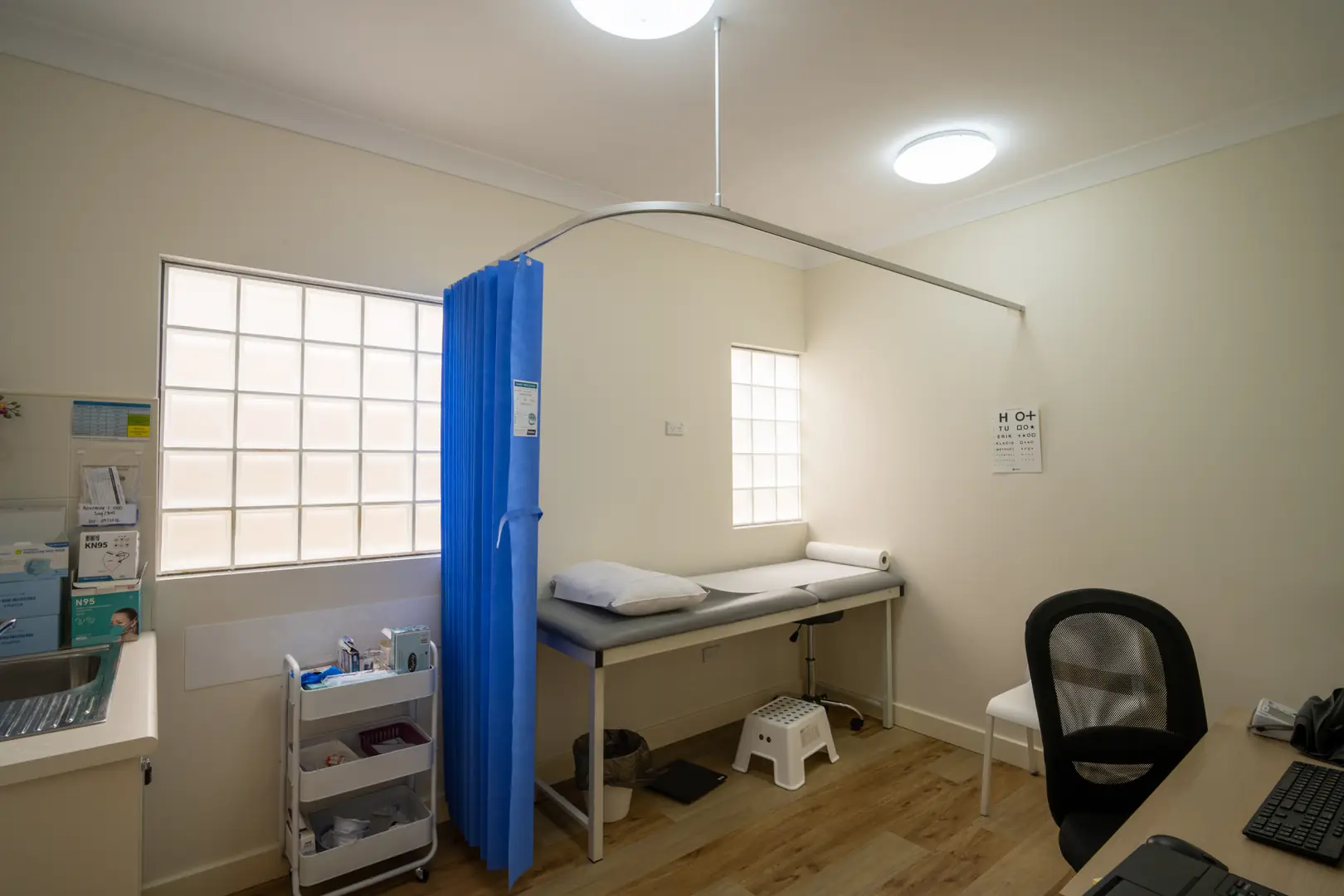
Practical care, on-site.
General practice isn't only about consultations. A lot of hands-on care can be delivered well in a treatment room: skin procedures, wound management, ear care, iron infusions, women's health procedures, and a range of diagnostic tests all sit within the scope of GP-led care. Having them on-site means fewer separate trips, faster turnaround, and continuity with a GP who already knows your history.
Our nursing team works alongside your GP throughout. Some procedures happen in the same appointment as the assessment; others are booked as a separate slot when the clinical situation calls for extra time, monitoring, or specific setup. Reception coordinates the booking with the right practitioner and the right time allocation for what you need.
Procedures, diagnostics, and steady follow-through.
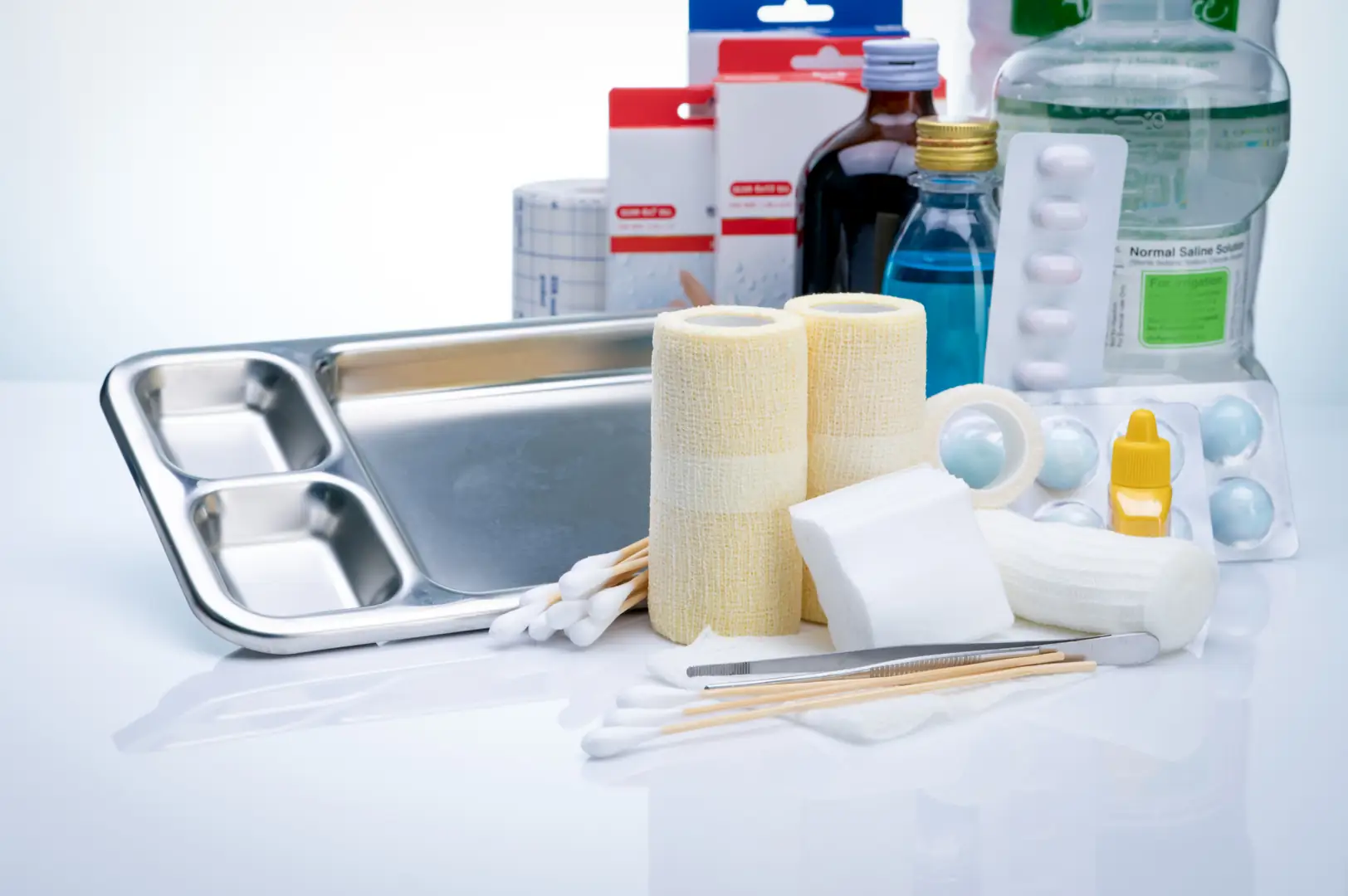
From assessment to treatment, conveniently in practice.
Wound care. Wounds that don't heal quickly, wounds requiring specialist dressings, and post-procedural wound care are managed in the treatment room. Common reasons include post-surgical wound care and suture removal, chronic wounds (venous leg ulcers, pressure areas, diabetic foot wounds), traumatic wounds requiring cleaning and dressing, burns needing initial or ongoing management, and complex wounds referred back from hospital. Our nursing team works alongside your GP on wound assessment, dressing selection, and progress monitoring.
Iron infusion. Delivers iron directly into the bloodstream and is used when oral iron isn't tolerated, isn't working quickly enough, or when iron deficiency is severe. Common reasons include iron deficiency anaemia not responding to oral supplements, poor tolerance of oral iron, chronic disease affecting absorption, preparation for surgery, pregnancy-related deficiency, and post-hospital anaemia. Your GP determines whether iron infusion is appropriate based on your iron studies, symptoms, and history. Iron and osteoporosis infusions have their own page: Infusions.
ECG. Records the electrical activity of your heart. Used for assessing palpitations, chest pain, before starting certain medications, before surgery, and as part of cardiovascular assessment. The test takes a few minutes and is painless.
Spirometry. Measures how well your lungs are working. Used for diagnosing and monitoring asthma, COPD, and other lung conditions, and as part of pre-employment or driver's licence medicals. The test involves breathing into a mouthpiece under specific instructions.
Audiology and hearing tests. Available for adults and children who have concerns about their hearing, or who need a hearing test as part of another assessment (occupational, developmental, or general health). Where more detailed testing or hearing aid consideration is needed, referral to an audiologist or ENT specialist can be arranged.
Ear syringing. Removes wax that's causing symptoms (hearing loss, discomfort, tinnitus) and can't be managed with drops alone. Done with sterile water or saline using a specific device. Your GP assesses whether the wax is contributing to your symptoms and whether a course of ear drops is the right first step. Not appropriate for everyone, including some patients with previous ear surgery, perforations, or specific ear conditions.
Cryotherapy. Uses liquid nitrogen to treat certain skin lesions by freezing them. Common uses include warts, skin tags, actinic keratoses (sun-damaged skin with precancerous changes), and some superficial skin cancers. It stings briefly and may cause temporary redness, blistering or scab formation. Multiple sessions may be needed for some lesions.
Across all three centres.
Certain specific services may be available at particular centres. Reception will be able to confirm availability upon booking.
Confirmed at booking.
Most procedures incur a private fee, with a Medicare rebate available for eligible patients. The reception team will confirm the applicable fee and rebate arrangements with you when booking.
Common questions.
Do I need a referral for treatment room services?
No. Treatment room services are part of GP care.
How do I book an iron infusion?
Iron infusion requires a GP consultation first, to review your iron studies and confirm it's appropriate. The infusion is then scheduled as a separate appointment.
How long does an iron infusion take?
The infusion itself takes 15 to 30 minutes. With the monitoring period afterwards, plan for about an hour.
Do you do child immunisations in the treatment room?
Child immunisations are covered under Travel Medicine and Vaccinations, and involve booking with a GP.
Do you do cervical screening in the treatment room?
Cervical screening is done during a GP consultation, generally with an Aurora GP.
Can I book cryotherapy for warts as a first appointment?
Book a GP consultation first, so your GP can assess whether cryotherapy is the right treatment for the specific lesion. Cryotherapy may be done in the same appointment or scheduled separately.